Batteries are electrochemical energy-storage systems used in devices ranging from vehicle starters and backup power units to portable electronics and electric vehicles. Their behavior depends on chemistry, cell design, electrical configuration, operating conditions, and the controls used to charge and protect them. This practical overview explains the main battery concepts without treating any single chemistry or design as suitable for every application.
Battery Basics: Chemistries, Configurations, Charging, and Care
Battery selection and maintenance involve more than choosing a capacity label. The chemistry determines voltage behavior, charging requirements, self-discharge, temperature response, safety characteristics, and expected service life. Packaging and electrical connections then influence how much energy and power a finished pack can provide.
The sections below cover battery fundamentals, lead-acid and nickel-based systems, lithium batteries, cell formats, series and parallel packs, charging and discharging, storage, safety, transport, and practical measures that may help slow aging. Recommendations must always be checked against the cell, pack, charger, device, and manufacturer instructions.
Battery Fundamentals: Energy, Power, Capacity, and Current
Voltage is the electrical potential that drives current through a load. Current, measured in amperes, is the rate at which electric charge flows. Power is the rate of energy delivery and is commonly expressed in watts:
- Power is approximately voltage multiplied by current.
- Energy is power delivered over time, commonly expressed in watt-hours (Wh).
- Capacity is often specified in ampere-hours (Ah), describing charge quantity rather than energy by itself.
- A rough energy estimate is voltage multiplied by ampere-hours, although actual usable energy varies with load, temperature, voltage limits, and battery condition.
Energy and power are different properties. A battery may store substantial energy but have limited ability to deliver it quickly. Conversely, a battery designed for high current may support demanding loads without having especially high total capacity. Vehicle starting batteries illustrate high short-duration power, while many stationary systems emphasize energy storage over rapid discharge.
Current capability is affected by internal resistance, electrode design, cell size, temperature, construction, and the number of cells connected in parallel. Internal resistance causes voltage drop and heat when current flows. As a battery ages, resistance can increase, reducing the voltage available at the load and limiting practical power even when the measured capacity still appears adequate.
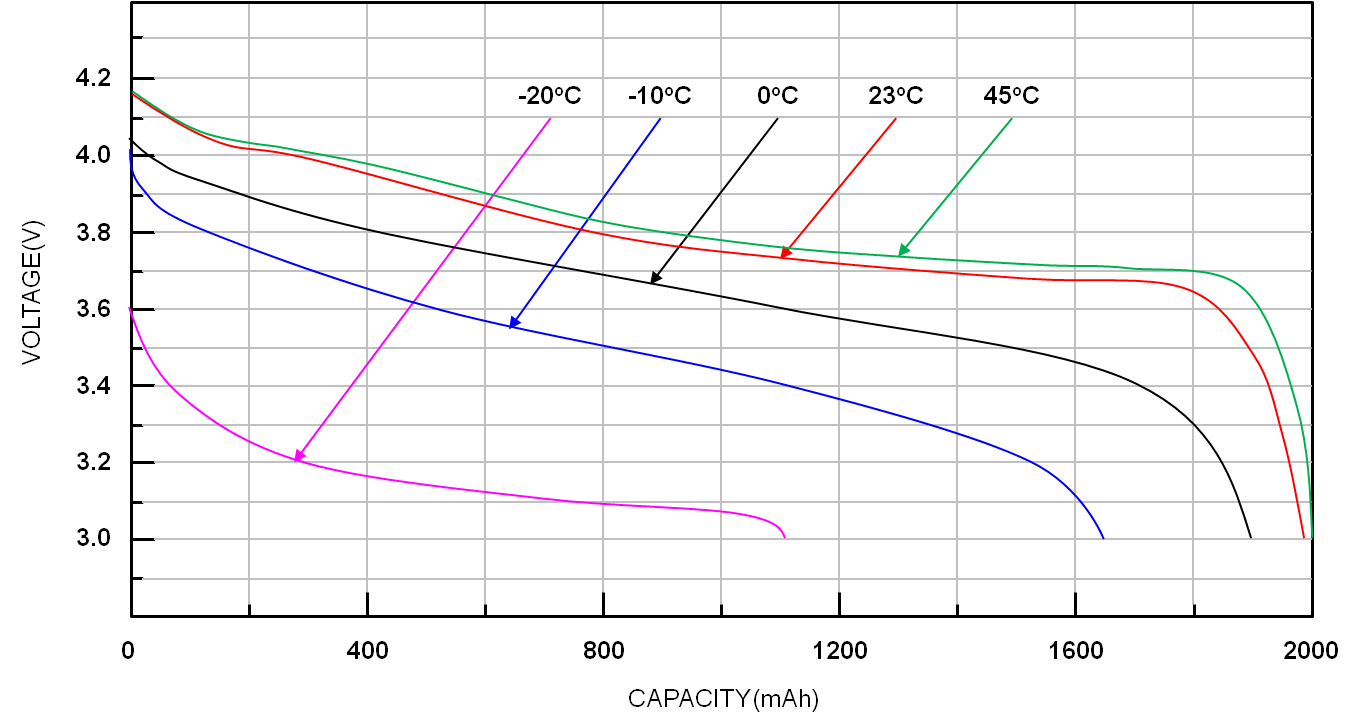
Source: Battery University
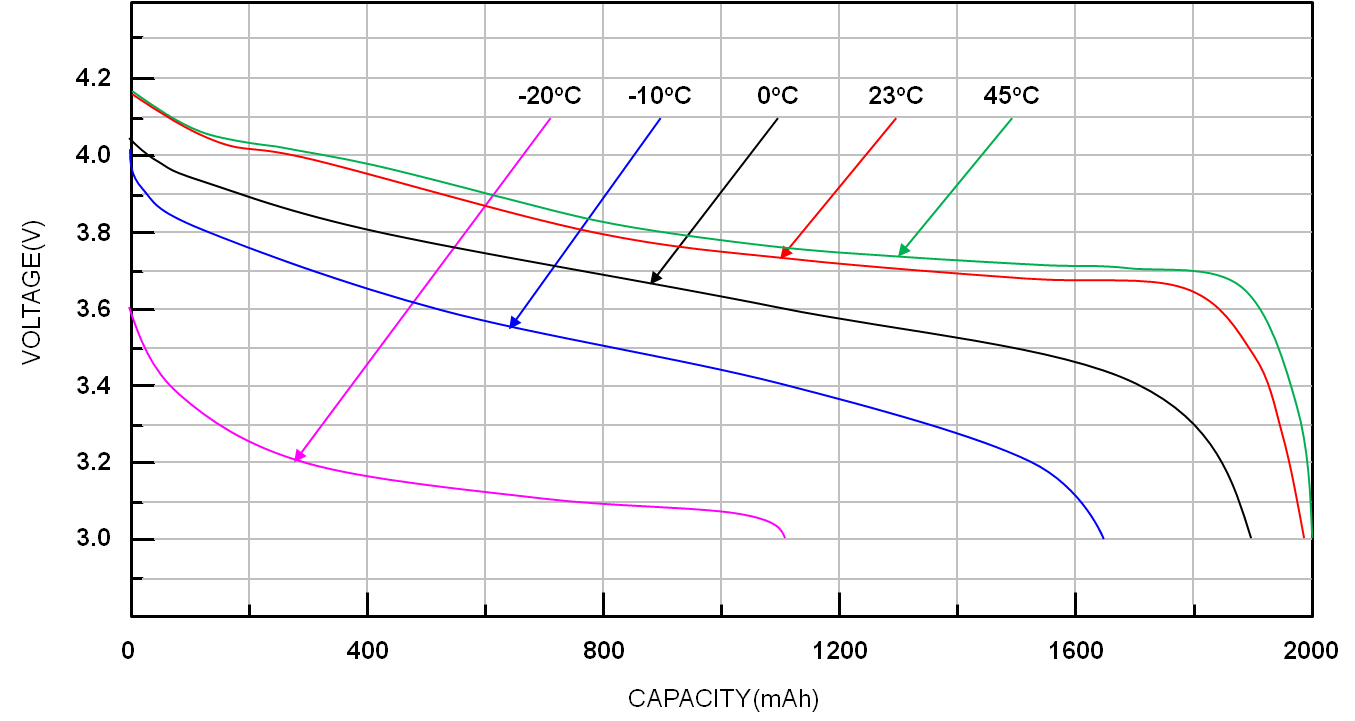
A battery specification should therefore be read as a set of related limits rather than as a single performance number. Nominal voltage, capacity, maximum continuous current, pulse current, charge limits, operating temperature, and protection requirements all matter.
Comparing Lead-Acid, Nickel-Based, and Lithium Batteries
Lead-acid batteries are established, robust, and widely used in vehicle starting, uninterruptible power supplies, and stationary energy systems. Flooded, absorbent glass mat (AGM), and gel designs use different electrolyte and construction arrangements. Lead-acid batteries can provide high starting current at relatively low cost, but they are heavy, have lower energy density than many lithium systems, and require careful charging and ventilation appropriate to the design. Overcharging can cause gassing, water loss, heat, and damage.
Nickel-cadmium (NiCd) batteries tolerate demanding service and can provide useful power over a broad range of conditions. However, cadmium is a toxic heavy metal, creating important occupational, environmental, recycling, and disposal concerns. Regulations restrict or control many NiCd applications in different jurisdictions. NiCd should not be treated as a general-purpose replacement for newer rechargeable chemistries.
Nickel-metal hydride (NiMH) replaces cadmium with a hydrogen-absorbing alloy. It is used in household rechargeable cells, hybrid vehicles, and other applications requiring moderate energy and power. NiMH is generally less environmentally problematic than NiCd, but it can have higher self-discharge and greater heat generation during charging than some alternatives. Charger termination and temperature monitoring are important.
Lithium-ion batteries offer high energy density and are widely used in portable electronics, power tools, electric vehicles, and storage systems. The term covers several cathode and anode combinations, so voltage, energy density, cycle behavior, thermal stability, and allowable charge limits vary by formulation.
Lithium terminology can be confusing. Primary lithium-metal cells contain metallic lithium and are generally non-rechargeable. Rechargeable lithium-ion cells store lithium in electrode materials rather than using metallic lithium as the active rechargeable anode. Lithium-polymer commonly refers to lithium-ion chemistry in a pouch or polymer-containing electrolyte construction; it does not automatically mean a fundamentally different battery chemistry. Product labels should be interpreted using the manufacturer’s electrical and safety specifications.
Nominal voltage is also not the same as a fixed operating voltage. A single lead-acid cell is commonly described as approximately 2 V nominal, a nickel-based cell as approximately 1.2 V, and many lithium-ion cells as approximately 3.6 or 3.7 V. Actual voltage changes during charging and discharging, and pack voltage depends on the number of series-connected cells.
Lithium-ion cells can fail through internal defects, external short circuits, overcharge, over-discharge, overheating, physical damage, or unsuitable charging. In severe cases, these conditions can produce thermal runaway, in which self-heating accelerates chemical reactions and may lead to venting, fire, or propagation to nearby cells. Modern packs therefore use controls such as protection circuits, temperature sensing, current limits, mechanical safeguards, and battery-management systems. A swollen, leaking, crushed, unusually hot, or otherwise damaged lithium battery should be removed from service and handled through appropriate safety and recycling procedures.
Cell Formats, Battery Packs, and Series-Parallel Configurations
Common cell formats include:
- Cylindrical cells, which use a rigid case and can offer mechanical strength, established manufacturing methods, and effective heat paths when arranged correctly.
- Button or coin cells, which are compact and suited to low-power electronics, watches, sensors, and memory functions.
- Prismatic cells, which use a rigid rectangular case and can package space efficiently in larger systems.
- Pouch cells, which use a flexible laminated enclosure and can be light and space-efficient, but require mechanical support and careful control of swelling, compression, and damage.
No format is universally superior. Selection involves energy density, available space, mechanical durability, cooling, manufacturing cost, serviceability, fault behavior, and the requirements of the application. A pouch cell may use space efficiently, while a cylindrical design may offer established production and mechanical robustness. Prismatic cells can simplify module packaging but still require careful thermal and mechanical design.
Connecting cells in series increases voltage. Connecting cells in parallel increases ampere-hour capacity and generally increases the available current capability, subject to cell ratings, interconnects, fuses, and thermal limits. A series-parallel pack combines both arrangements: parallel groups provide capacity, and those groups are connected in series to obtain the required voltage.
Cells in a pack should be compatible in chemistry, size, age, history, and electrical condition. Mismatched cells can develop unequal state of charge, overcharge, over-discharge, or excessive current sharing. Multi-cell lithium packs commonly require monitoring, balancing, protection against overcurrent and short circuit, and a battery-management system. Series connections increase the consequences of an outlying cell, while parallel connections can allow substantial fault current if a cell or interconnect fails.
Charging, Discharging, and Storage by Battery Chemistry
Charging must follow the chemistry-specific voltage, current, temperature, and termination requirements. A charger intended for one chemistry should not be assumed safe for another.
Lead-acid charging commonly uses controlled stages that restore charge, reach a regulated voltage, and—where appropriate—maintain the battery with a lower sustaining or float condition. Flooded, AGM, and gel batteries have different permissible limits. Excessive voltage can cause gassing, drying, heat, or premature failure. Long-term standby systems need a charger designed for that service rather than an improvised constant-voltage source.
NiMH charging generally requires controlled current and a termination method based on charging behavior, temperature, elapsed time, or a combination of these factors. Trickle or maintenance charging must remain within the cell manufacturer’s limits because continuous overcharge can generate heat and reduce life. NiMH cells also lose charge during storage, although low-self-discharge versions reduce that effect.
Lithium-ion charging uses a controlled-current phase followed by a controlled-voltage phase, with charging terminated or reduced when the specified condition is reached. The exact voltage and current limits depend on the cell chemistry and design. Lithium-ion cells should not be charged outside the approved temperature range or with an incompatible charger. Unlike some older rechargeable systems, they generally do not require routine full discharge to maintain capacity.
Discharging is also chemistry-dependent. Loads should remain within the battery’s continuous and peak current ratings, and equipment should stop before the cell reaches an inappropriate low-voltage condition. Deep discharge can damage lead-acid and lithium-ion batteries, while the acceptable operating window for NiMH is different. Storage state of charge, temperature, and maintenance depend on chemistry and pack design. Batteries should be stored in a dry, protected location, away from damaging heat, moisture, conductive objects, and unauthorized access.
Fast, Wireless, Temperature-Dependent, and USB Charging
Fast charging reduces the time needed to restore energy, but it usually increases current and heat. Heat accelerates many aging mechanisms, and repeated operation at aggressive charge rates can reduce service life when the cell, cooling system, or charger is not designed for it. Fast charging also requires accurate monitoring and control. A device may limit current as the battery becomes full or as temperature rises.
Wireless charging transfers energy through aligned coils rather than a direct electrical connector. Its efficiency depends on alignment, coil design, distance, power level, and the surrounding materials. Inefficiency appears as heat, so a poorly aligned or obstructed system may warm the device and increase aging. Wireless charging is not inherently unsafe, but the complete transmitter, receiver, charger, and thermal design must be compatible.
High and low temperatures affect both charging safety and battery performance. Charging a lithium-ion battery when it is too cold can cause damaging reactions, while charging when it is too hot can accelerate degradation or trigger protection. Lead-acid and NiMH systems also have temperature-dependent limits. Device controls and manufacturer instructions take priority over generic advice.
USB charging depends on the charger, cable, device, connector, and negotiated power level. A USB port’s nominal voltage does not guarantee that it can provide the current or power a device requests. USB Power Delivery and other charging protocols allow compatible equipment to negotiate higher power, but the charger and cable must support the required mode. A compatible cable and certified charger are part of the charging system, not optional accessories.
Recommended discharge methods may refer to normal device operation, a controlled test, or an electronic termination threshold. They do not necessarily mean repeatedly draining a rechargeable battery to zero. Battery testing should use equipment and procedures appropriate to the chemistry and manufacturer’s limits.
Battery Safety, Health, Transport, and Handling
Lead-containing batteries can expose people and the environment to lead compounds and corrosive electrolyte if they are damaged, opened, or improperly recycled. Cadmium in NiCd batteries presents additional toxicity and disposal concerns. Do not dismantle these batteries outside suitable controlled facilities, and use established collection or recycling routes.
Lithium-ion batteries require protection from short circuits, crushing, puncture, overheating, overcharge, and over-discharge. Inspect batteries and packs for swelling, leakage, damaged cases, exposed conductors, unusual odor, or abnormal heat. Do not use or charge a damaged pack. Keep loose cells and spare batteries from contacting keys, coins, tools, or other conductive objects; use protective packaging or terminals covers where appropriate.
Lithium battery transport is regulated because a damaged or improperly packed battery can create a fire hazard. Requirements may depend on battery type, watt-hour rating, state of charge, packaging, labeling, carrier, destination, and whether the battery is installed in equipment or shipped separately. Passenger-aircraft restrictions can differ from cargo requirements, and damaged or defective batteries may require special arrangements or may be prohibited. Consult current government, carrier, and jurisdiction-specific rules before shipping or flying with batteries.
For disposal, do not place rechargeable lithium-ion, NiCd, or lead-acid batteries in ordinary waste unless local authorities explicitly permit it. Isolate damaged batteries only when doing so is safe, avoid handling leaking or hot cells, and contact an appropriate hazardous-material or battery-recycling service.
Battery Aging, Capacity, State of Charge, and Service Life
Capacity is the amount of charge or energy a battery can deliver under defined test conditions. State of charge (SoC) is the estimated fraction of available charge remaining at a particular time. SoC is not always directly measurable: voltage, current history, temperature, load, and battery age affect the estimate. A battery can show a high state of charge while having reduced total capacity because of aging.
Aging cannot be eliminated, but it can often be slowed. High temperature, prolonged high voltage, excessive current, deep discharge, mechanical damage, and unsuitable storage can all reduce service life. The balance differs by chemistry. Lead-acid batteries may suffer from prolonged undercharge or deep discharge; lithium-ion batteries generally age faster when kept hot and fully charged for long periods; NiMH cells can be harmed by excessive heat and unsuitable overcharge.
Practical measures include:
- Use the charger and battery-management controls specified for the pack.
- Avoid deep discharge unless the manufacturer’s procedure requires a controlled test.
- Keep batteries within their specified temperature range.
- Do not leave a damaged or swollen battery in service.
- Avoid unnecessary heat during fast or wireless charging.
- Store batteries according to the chemistry-specific state-of-charge guidance.
- Use moderate lithium-ion charge-voltage settings when the device supports them and reduced maximum capacity is acceptable.
Reducing the maximum lithium-ion charge voltage or avoiding prolonged full charge can sometimes improve longevity, but it also reduces immediately available energy and may not be user-adjustable. Battery-life advice is therefore a trade-off between runtime, power, convenience, and aging rather than a universal rule.
What Batteries Can and Cannot Do: Summary and Future Outlook
The main practical lessons are straightforward: chemistry determines handling requirements; series connections increase voltage; parallel connections increase capacity; charging must match the battery; heat and physical damage are serious risks; and capacity is different from state of charge. Battery-management systems and protection circuits are essential parts of many modern packs, not optional enhancements.
Current batteries still involve trade-offs among energy density, power, cost, charging speed, cycle life, materials, thermal stability, and safety. Improving one characteristic can compromise another. Claims about future batteries should be treated as uncertain and time-sensitive because laboratory results, prototypes, and commercial products do not have identical performance or reliability.
Net calorific value is generally not a direct or especially useful comparison for electrochemical batteries. It describes the heat released by combustion of a fuel, whereas a battery delivers electrical energy through electrochemical reactions. Battery comparisons are better made using measured electrical energy, power, efficiency, operating limits, cycle life, cost, and safety under defined conditions.
For everyday use, identify the chemistry and pack design first, use the correct charger, prevent overheating and damage, avoid inappropriate deep discharge, follow current transport rules, and recycle batteries through the proper channel. These basic practices cannot stop aging, but they can reduce avoidable failures and help a battery deliver its intended service life.
References
- BU-1502 Basics about Batteries. (n.d.). http://www.batteryuniversity.com/article/bu-1502-basics-about-batteries
- Battery University - WeCanFigureThisOut.org. (n.d.). https://wecanfigurethisout.org/ENERGY/Web_notes/Electrochemical/Batteries_and_Fuel_Cells_Supporting_Files/How%20do%20Lithium%20Batteries%20Work%20%E2%80%93%20Battery%20University.pdf
- Lithium-Ion Battery Safety Guidance. (n.d.). https://ehs.mit.edu/wp-content/uploads/2019/09/Lithium_Battery_Safety_Guidance.pdf
- Lithium Battery Safety and Handling Guide. (n.d.). https://ehs.oregonstate.edu/sites/ehs.oregonstate.edu/files/pdf/si/lithium_battery_safety_and_handling_guide.pdf
- Lithium-Ion Batteries Hazard and Use Assessment. (n.d.). https://www.nrc.gov/docs/ml1719/ml17191a294.pdf
- Types of Batteries and How They Work - Microchip USA. (n.d.). https://www.microchipusa.com/electrical-components/types-of-batteries-and-how-they-work
- Battery Safety | Division of Research Safety | Illinois. (n.d.). https://drs.illinois.edu/page/safetylibrary/batterysafety
- [PDF] A BRIEF GUIDE TO BATTERIES. (n.d.). https://www.igfmining.org/wp-content/uploads/2022/11/agm-brief-guide-batteries-WEB.pdf
- Lithium-Ion Battery Safety: Expert Insights & Guidelines. (n.d.). https://www.cirbasolutions.com/lithium-safety
- What are six key considerations when choosing a Li-ion battery chemistry? - Battery Power Tips. (n.d.). https://www.batterypowertips.com/what-are-six-key-considerations-when-choosing-a-li-on-battery-chemistry