Batteries have moved from early electrochemical devices used mainly for experiments and specialized equipment to everyday power sources for phones, laptops, tools, vehicles, medical devices, radios, and backup systems. Their convenience often makes them seem simple: plug in the charger, wait, and use the device. In practice, charging behavior, storage state, temperature, and charger design all affect how long a rechargeable battery remains useful.
There is no single best charging routine for every battery. Lead-acid, nickel-cadmium, nickel-metal-hydride, and lithium-ion systems age by different mechanisms and respond differently to full charge, deep discharge, heat, and long-term storage. Good battery care is therefore less about following one universal rule and more about matching the charging method to the chemistry and application.
The guidance below focuses on practical maintenance decisions: when to charge, whether to fully discharge, how to store batteries, and when leaving a device connected can be harmful or harmless.
Charging Habits That Help Batteries Last Longer
Most rechargeable batteries last longer when they are kept away from extremes. The most important general habits are simple: avoid unnecessary heat, avoid repeated deep discharge when the chemistry does not require it, prevent abusive loads, and use a charger designed for the battery type.
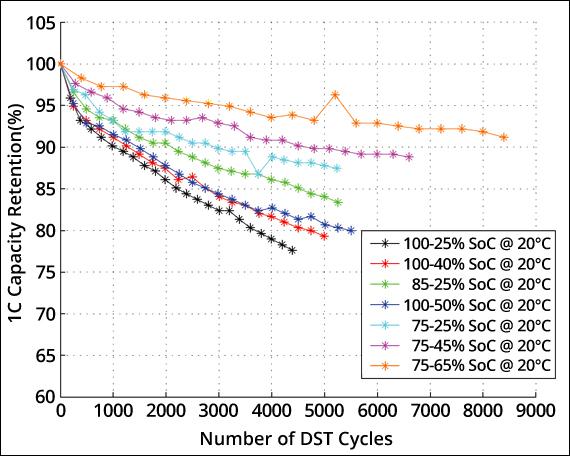
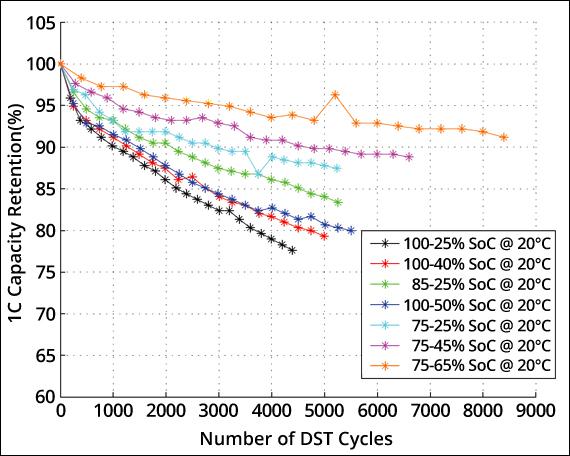
Temperature is one of the strongest aging factors. Moderate temperature slows internal corrosion and other parasitic reactions at the electrolyte and electrodes. Heat is especially damaging when combined with high state of charge, because the battery is both chemically stressed and thermally accelerated. A battery stored in a hot vehicle, on a sunlit dashboard, near a heater, or inside equipment with poor ventilation may age much faster than the same battery stored cool.
Depth of discharge also matters. Every rechargeable battery cycle causes some wear, but a shallow or partial discharge is generally easier on a battery than a repeated full discharge. For many modern devices, it is not necessary to run the pack down to empty before recharging. In fact, using only part of the capacity and then recharging is often preferred, particularly for lithium-ion.
Full discharge still has limited uses:
- It may help calibrate a smart battery fuel gauge when the displayed percentage has become inaccurate.
- It may help manage memory or voltage-depression effects in some nickel-based batteries, especially nickel-cadmium.
- It may be required by a specific maintenance procedure for specialized equipment.
Outside these cases, repeated full discharge is usually not a life-extension technique.
High discharge current and harsh operating loads also shorten life. A battery forced to deliver power near its limit generates more heat and experiences more stress. Where possible, the pack should be sized for the actual energy and power requirement of the application rather than operated continuously at the edge of its capability.
Charging rate is another stress factor. Ultra-fast charging can increase heat and electrochemical stress, particularly in energy-optimized lithium-ion cells. Some power-optimized cells and certain nickel-cadmium designs tolerate higher rates better, but this depends on the cell construction, charger control, temperature sensing, and manufacturer limits. A charger should never be selected only because it fits the connector or reaches a target voltage; it must be appropriate for the chemistry, cell count, pack protection, and intended use.
Source: Battery University
How Charging Rules Differ by Battery Chemistry
Lead-acid, nickel-based, and lithium-ion batteries do not share the same ideal routine. A practice that is beneficial for one chemistry can be neutral or harmful for another. For example, storing a lead-acid battery discharged is damaging because sulfation can develop, while storing a lithium-ion battery fully charged for long periods increases aging stress.
The table below summarizes the practical differences before the chemistry-specific sections go into more detail.
| Topic | Lead-acid | Nickel-based | Lithium-ion |
|---|---|---|---|
| New battery preparation | Usually supplied charged; may need a topping or saturated charge | Often benefits from an initial long charge; performance may improve with early use | No priming required; normally ready after a normal charge |
| Full charge routine | Important; periodic saturated charge may be needed | Acceptable, but partial charge is often fine | Not required for maintenance; partial charging is often better for longevity |
| Full discharge routine | Avoid deep discharge when possible | Sometimes useful for NiCd memory or voltage depression | Avoid as routine practice; use mainly for calibration when needed |
| Storage | Store fully charged | Follow device and charger guidance | Store partially charged in a cool place |
| Main aging concerns | Sulfation, heat, deep discharge | Heat, cycling, memory effects in NiCd | High state of charge, heat, deep discharge to protection cutoff |
Lead-Acid Batteries
Lead-acid batteries generally prefer to be kept fully charged. This applies to common sealed and flooded lead-acid types used in standby systems, vehicles, small power equipment, and many industrial applications. When a lead-acid battery remains at low charge, sulfate crystals can harden on the plates, a condition commonly called sulfation. Sulfation reduces available capacity and can make the battery harder to recharge fully.
A new or stored lead-acid battery may benefit from a topping charge before service, depending on how long it has been stored and the manufacturer’s instructions. For batteries that are repeatedly charged only briefly, a more complete saturated charge may be needed periodically. Battery University guidance notes that if the normal charge cycle does not allow a fully saturated charge, giving the battery such a charge every few weeks can help maintain condition.
Lead-acid batteries also dislike deep discharge. A starter battery, for example, is designed to provide a high current for a short time and then be quickly replenished. Repeatedly using that type of battery for deep cycling can shorten its life. Deep-cycle lead-acid batteries are built for deeper discharge, but even they age faster when deeply discharged repeatedly compared with shallower cycling.
Heat compounds the problem. Elevated temperature increases corrosion and water loss in flooded designs, and it accelerates general aging. For longest life, lead-acid batteries should be charged with a suitable charger, stored charged, and kept as cool as practical within the recommended operating range.
Nickel-Based Batteries
Nickel-based rechargeable batteries include nickel-cadmium (NiCd) and nickel-metal-hydride (NiMH). They are older than today’s dominant lithium-ion systems but remain useful in certain tools, radios, emergency equipment, and rugged applications.
A new nickel-based pack may require an initial long charge, commonly described in the source guidance as 14 to 16 hours. Some packs may also improve after early use as the cells become properly formatted. This is different from lithium-ion, which does not require priming.
Nickel-based batteries are generally more tolerant of rugged use than lithium-ion. NiCd in particular can accept demanding service and has historically been valued where durability and high load capability matter. However, tolerance is not the same as immunity. Heat, cycling, overcharge, and poor charger control still reduce service life.
Partial charging is usually acceptable for nickel-based batteries. The older instruction to always discharge fully before charging mainly relates to memory or voltage-depression effects, especially in NiCd. If a NiCd pack repeatedly receives shallow cycles under the same conditions, it may appear to lose usable voltage range. A controlled full discharge can sometimes reduce this effect. NiMH is less associated with classic memory, although voltage depression and imbalance can still occur in some applications.
Because nickel-based batteries are often used in equipment fleets and chargers vary widely, manufacturer guidance is important. Some chargers are designed for continuous maintenance, while others are intended for timed charge only. A charger that is safe for one nickel chemistry, capacity, or pack configuration may not be appropriate for another.
Lithium-Ion Batteries
Lithium-ion batteries are common in phones, laptops, tablets, power tools, e-bikes, portable instruments, and many energy-storage systems. They are attractive because of high energy density and low maintenance. Unlike nickel-based batteries, lithium-ion cells do not require priming, and they do not need periodic full discharge to prevent memory.
For longevity, lithium-ion batteries usually prefer partial cycling. The practical operating range often recommended for long life is roughly 30 to 80 percent state of charge when the application allows it. This does not mean a lithium-ion battery must never be charged to 100 percent. Full charge is useful when maximum runtime is required. The issue is repeated exposure to high voltage, especially when the battery is then held full for long periods.
The most severe aging combination for lithium-ion is high state of charge plus elevated temperature. A laptop left plugged in while running hot, a phone charged fully and kept warm, or a spare pack stored full in a hot location can lose capacity faster than a pack kept cooler and at partial charge.
For storage, lithium-ion batteries are best kept partially charged, commonly around 40 to 50 percent, in a cool place. This leaves enough energy to avoid deep self-discharge while avoiding the stress of full charge. Very low charge can become risky because many lithium-ion packs contain protection circuitry. If the cell voltage falls too low during storage, the protection circuit may disable the pack to prevent unsafe recharge.
Lithium-ion charging should always be handled by an appropriate charger or device charging system. Correct voltage limits, current control, temperature monitoring, and pack protection are essential. Mismatched chargers can create overheating, undercharge, overcharge, or protection faults.
When to Charge in Everyday Use
For everyday use, most users do not need to wait until a battery is empty before charging. This is especially true for lithium-ion devices such as phones and laptops. Plugging in at 40, 50, or 60 percent is not harmful simply because the battery was not empty. In many cases, shallow cycling is easier on the battery than deep cycling.
Interrupting a charge cycle is also generally acceptable for lithium-ion and many modern devices. A phone or laptop does not usually require a full uninterrupted charge from empty to full. The charging system adjusts current and voltage as needed, and the pack management system tracks battery state. Nickel-based and lead-acid systems can be more charger-dependent, so specialized equipment may have more specific requirements.
Using a device while it charges is usually allowed, but the thermal condition matters. A light load, such as standby use or low-power operation, is normally less stressful than heavy processing, radio transmission, gaming, tool operation, or other high-current activity during charging. Heavy load can raise temperature at the same time the battery is at a high state of charge. That combination is unfavorable, particularly for lithium-ion.
Leaving a battery connected after full charge depends on charger design and chemistry. Some modern chargers terminate charge or switch to a maintenance mode. Others keep the battery warm or hold it at a high voltage. For lithium-ion, long dwell at full charge is not ideal for longevity. Removing the device or battery after charge can be beneficial if the charger or equipment holds the pack full and warm.
Lead-acid standby systems are a special case because they may be designed for float service. A correct float charger keeps the battery available without applying the same stress as an uncontrolled charger. The voltage and temperature compensation must be appropriate for the battery type.
Nickel-based batteries vary widely by charger. Some chargers use termination detection and maintenance current; others are simple timed chargers. If the pack becomes warm after charge completion or the charger is not intended for long-term connection, removal may improve life and safety.
The safest rule is to treat the manufacturer’s instructions as the primary authority for specialized equipment. Medical devices, radios, surveying instruments, power tools, mobility equipment, and industrial systems may use chargers designed around exact battery packs. General battery-care advice should not override those instructions.
Storage, Temperature, and Charger Conditions
Storage practice should follow the battery chemistry:
- Lead-acid: store fully charged. Recharge periodically if the battery is stored for long periods, and avoid leaving it discharged.
- Lithium-ion: store partially charged, commonly around 40 to 50 percent, in a cool place. Avoid storage at full charge in hot conditions.
- Nickel-based: follow the device and charger guidance. These batteries are generally robust, but heat and poor charger control still shorten life.
Charging temperature should stay within the range recommended by the manufacturer. Charging outside the specified range can slow charging, reduce performance, prevent proper charge termination, or increase risk depending on chemistry. Some chargers intentionally delay or limit charge when a pack is too cold or too hot.
Cold charging can be problematic because electrochemical reactions slow down. A charger may reduce current or refuse to charge until the pack warms into range. Hot charging is also undesirable because it adds heat to a process that already produces heat. A battery that is hot from operation should often be allowed to cool before charging, especially if the charger or device manual recommends it.
Charger matching is essential. A correct charger is matched to battery chemistry, voltage, cell count, capacity range, and termination method. A lead-acid charger should not be assumed safe for lithium-ion. A lithium-ion charger for one pack voltage should not be used on a different series-cell configuration. Even with the correct connector, the wrong charging profile can damage the battery or create a safety hazard.
Practical routine care can be summarized as follows:
- Keep batteries at moderate temperature whenever possible.
- Avoid repeated deep discharge unless the chemistry or maintenance procedure calls for it.
- Use partial charging freely for lithium-ion and many modern devices.
- Store lead-acid batteries fully charged.
- Store lithium-ion batteries partially charged and cool.
- Do not leave batteries on chargers that keep them hot or apply unsuitable maintenance charge.
- Avoid ultra-fast charging unless the battery and charger are designed for it.
- Do not use damaged, swollen, leaking, corroded, or overheated batteries.
- Follow the equipment manufacturer’s charging and storage instructions for specialized packs.
Good charging practice is not complicated, but it is chemistry-specific. Lead-acid batteries need protection from low-charge storage and deep discharge. Nickel-based batteries tolerate rugged use but may need occasional controlled discharge in some NiCd applications. Lithium-ion batteries need protection from heat, high-voltage storage, and excessive deep discharge. Matching the charging routine to these differences is the most reliable way to preserve capacity and reduce premature battery failure.
References
- Battery University | BU-415: How to Charge and When to Charge?. (n.d.). http://www.batteryuniversity.com/article/bu-415-how-to-charge-and-when-to-charge
- Motorola Radios & Battery Life - Hardware & Infrastructure. (n.d.). https://community.spiceworks.com/t/motorola-radios-battery-life/584522
- Battery University | BU-804: How to Prolong Lead-acid Batteries. (n.d.). http://www.batteryuniversity.com/article/bu-804-how-to-prolong-lead-acid-batteries
- Overnight vs Morning Charging: Which Is Better for Your .... (n.d.). https://chargie.org/overnight-vs-morning-charging
- BU-405: Charging with a Power Supply. (n.d.). http://www.batteryuniversity.com/article/bu-405-charging-with-a-power-supply
- Cell phone: is fast (USB PD) charging bad for batteries? - #7 by Francesco_Basile - General Topics - Framework Community. (n.d.). https://community.frame.work/t/cell-phone-is-fast-usb-pd-charging-bad-for-batteries/8352/7
- How long does it take to charge new batteries for the first .... (n.d.). https://www.chiefdelphi.com/t/how-long-does-it-take-to-charge-new-batteries-for-the-first-time/424146
- BU 415 - Chapter 1 Flashcards. (n.d.). https://quizlet.com/ca/829021044/bu-415-chapter-1-flash-cards
- Step 1. Charge the battery. (n.d.). https://help.fieldsystems.trimble.com/r980/initial-setup-1-charge-battery-r980.htm
- MIDSIZE BATTERY CHARGER AND MAINTAINER. (n.d.). https://manuals.harborfreight.com/manuals/56000-56999/56796-193175524157.pdf